Myth-Busting: Common Misconceptions About Eco-Friendly Event Planning
Introduction to Eco-Friendly Event Planning
The movement towards sustainability has touched every aspect of our lives, including how we plan and execute events. Despite its growing popularity, eco-friendly event planning is often shrouded in myths and misconceptions. In this post, we will debunk some of the most common myths surrounding sustainable event planning.
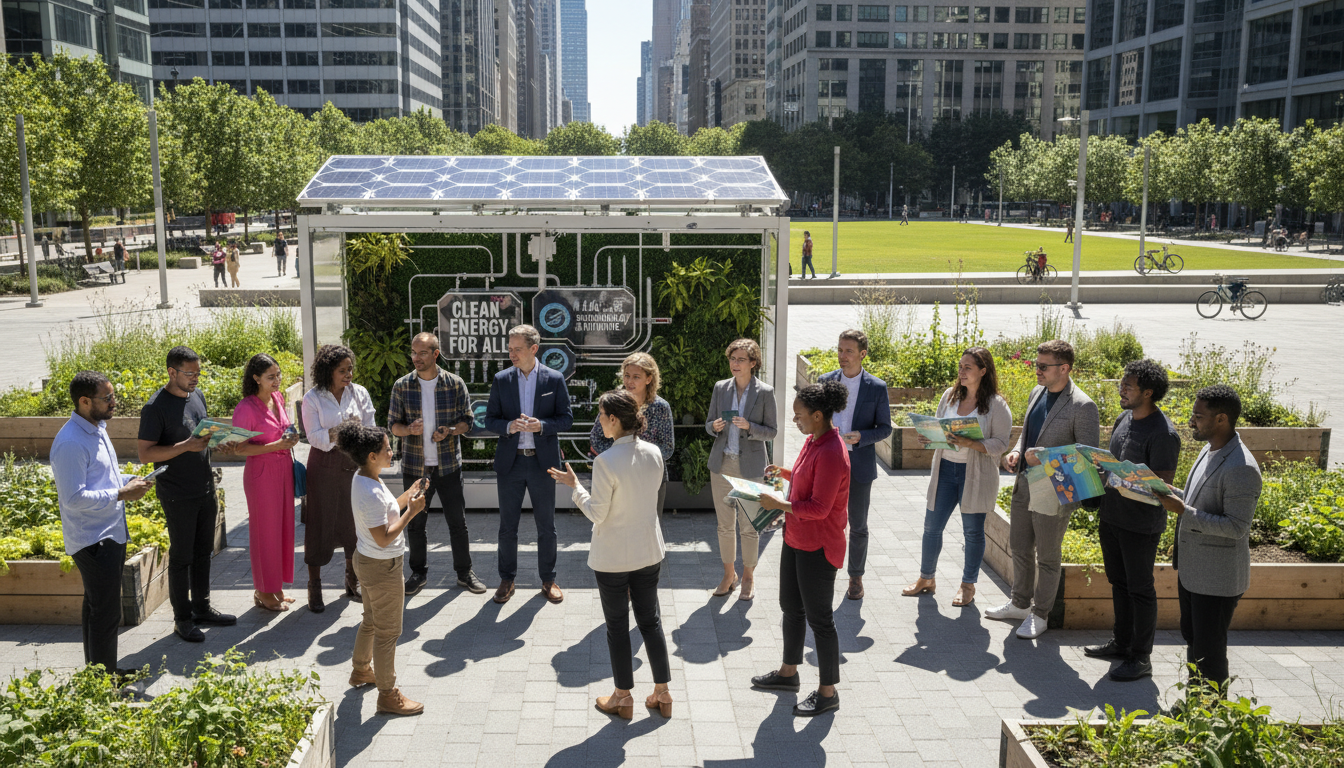
Myth 1: Eco-Friendly Events Are Always More Expensive
One of the most pervasive myths is that eco-friendly events are inherently more costly. While some sustainable options may have higher upfront costs, they often lead to savings in the long run. For example, using digital invitations instead of paper can significantly cut costs. Additionally, choosing local vendors reduces transportation expenses and supports the community.
It’s important to consider the total cost of ownership. Sustainable practices can lead to reduced waste and energy consumption, which ultimately saves money.
Cost-Effective Sustainable Practices
Here are some budget-friendly sustainable practices:
- Opt for reusable or compostable tableware.
- Choose venues with natural lighting to save on electricity.
- Implement a waste management plan to minimize leftovers.
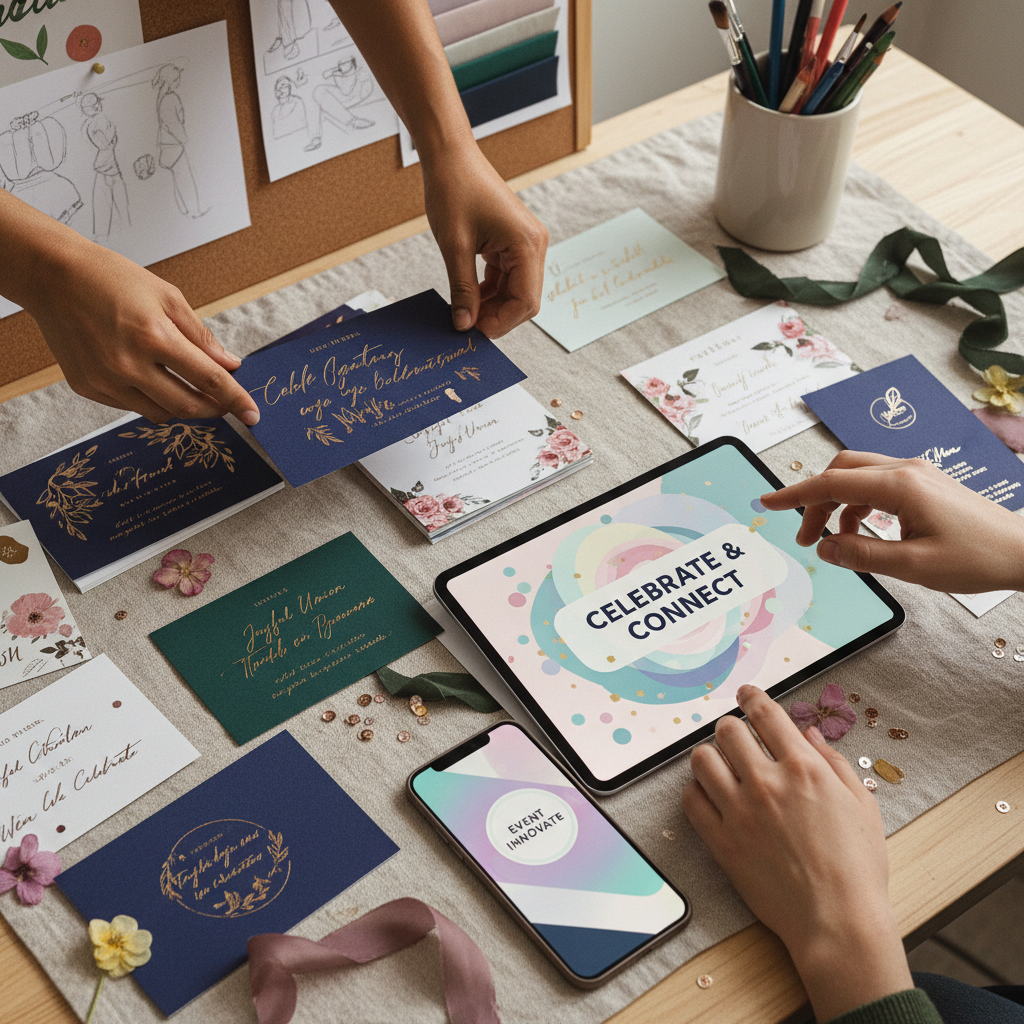
Myth 2: Eco-Friendly Events Lack Style and Creativity
Another misconception is that sustainable events are dull or lack creativity. In reality, eco-friendly planning encourages innovation. By using upcycled or locally sourced materials, event planners can create unique and memorable experiences.
For instance, consider using vintage or rental decor to add character while reducing waste. Choosing seasonal flowers or plants not only enhances the aesthetic but also supports biodiversity.
Creative Sustainable Ideas
Consider these creative ideas for your next event:
- Incorporate nature-inspired themes.
- Use digital platforms for interactive experiences.
- Offer eco-friendly swag, like reusable bottles or bags.
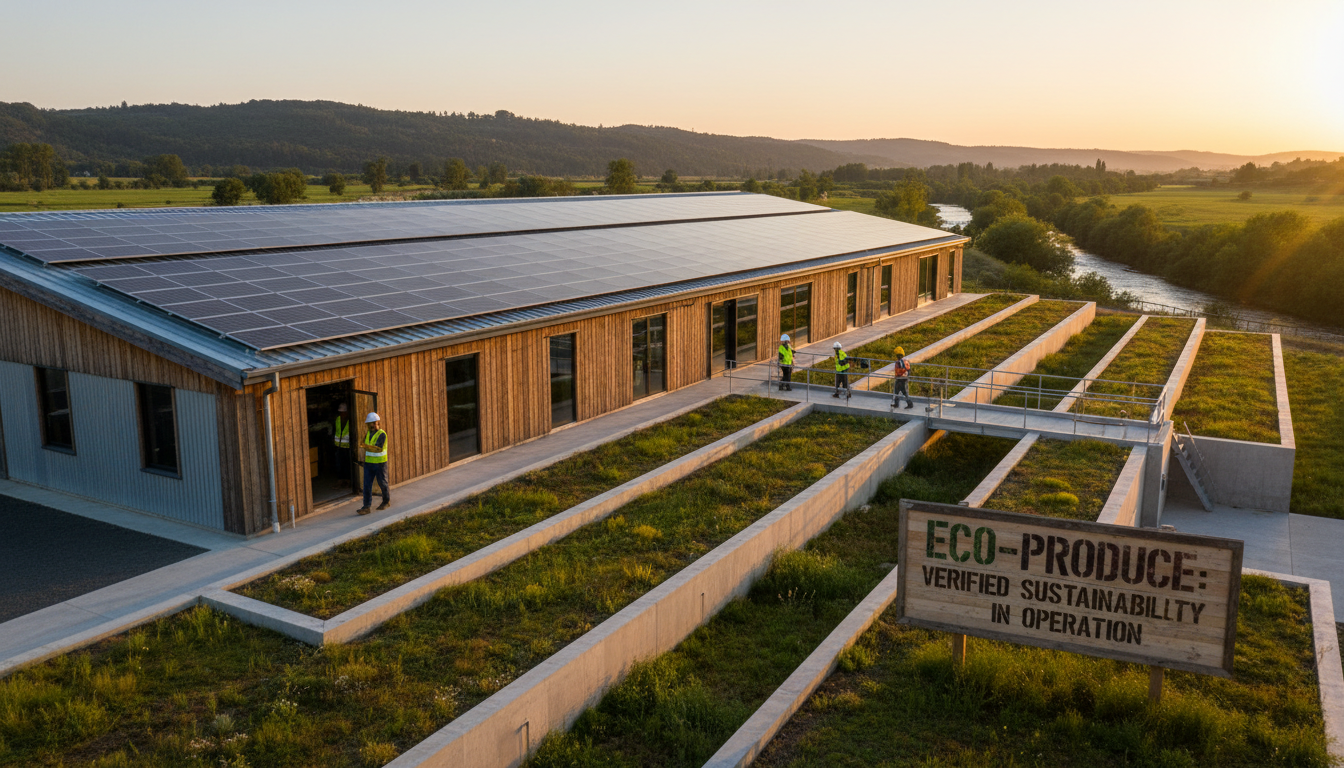
Myth 3: Sustainable Practices Are Too Complicated to Implement
Many people believe that implementing sustainable practices is too complex or time-consuming. However, with proper planning and the right resources, it can be straightforward. Start by setting clear sustainability goals and choosing vendors who share your vision.
Tools like carbon calculators can help measure the environmental impact of your event, making it easier to identify areas for improvement.
Simple Steps to Get Started
Here are simple steps to incorporate sustainability into your event:
- Educate your team and attendees about sustainable practices.
- Assess your event’s carbon footprint and set reduction targets.
- Partner with eco-conscious vendors and suppliers.

Conclusion: The Future of Event Planning
Eco-friendly event planning is not just a trend; it’s a necessary shift towards a more sustainable future. By debunking these myths, we hope to encourage more individuals and organizations to embrace sustainable practices. With creativity, thoughtful planning, and collaboration, eco-friendly events can be both impactful and enjoyable.