Case Study: A Successful Eco-Friendly Class Reunion in California
Introduction
Organizing a class reunion is no small feat, especially when the goal is to make it eco-friendly. In California, a group of dedicated alumni decided to plan a memorable and sustainable event that not only celebrated their shared history but also respected the environment. This case study explores the innovative approaches they employed to ensure a successful and green gathering.
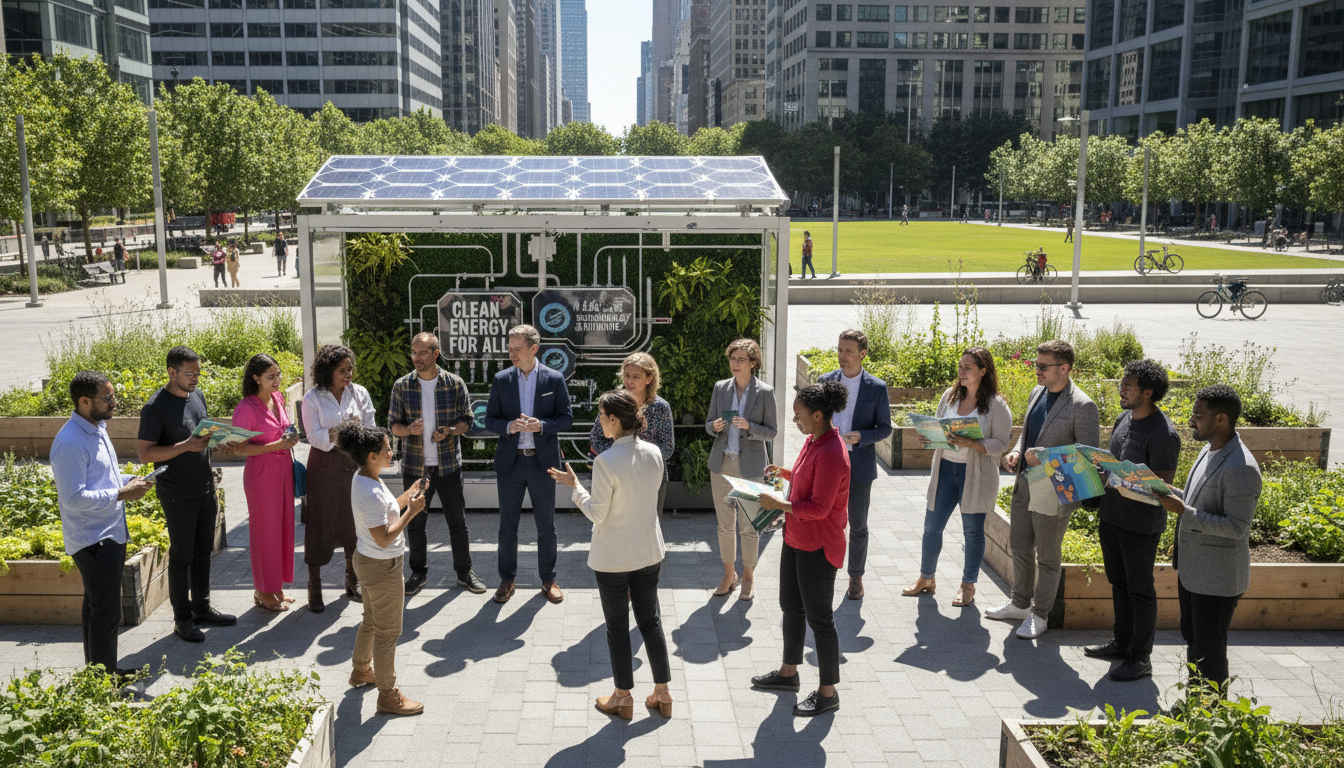
Choosing a Sustainable Venue
The first step in planning was selecting a venue that aligned with their eco-conscious values. They chose a location known for its green certifications, ensuring energy efficiency and sustainable practices. The venue offered outdoor spaces, reducing the need for artificial lighting and air conditioning.
Additionally, the venue's commitment to waste reduction, recycling, and renewable energy sources made it an ideal choice. This decision set the tone for the entire event, emphasizing the importance of sustainability from the outset.
Eco-Friendly Invitations and Communication
In an effort to minimize paper waste, the organizers opted for digital invitations. These invitations were not only cost-effective but also environmentally friendly. They utilized email and social media platforms to reach out to attendees, ensuring a swift and wide-reaching communication strategy.

Regular updates and reminders were sent electronically, further reducing the event's carbon footprint. This approach highlighted how technology can be leveraged to support sustainable practices.
Sustainable Catering Choices
Food and beverage choices were carefully curated to reflect the event's eco-friendly theme. The catering team focused on sourcing local and organic ingredients, reducing transportation emissions and supporting local farmers. Plant-based options were prominently featured, appealing to a wide range of dietary preferences and reducing the event's environmental impact.
- Local and organic produce
- Plant-based menu options
- Compostable serving ware

Furthermore, all serving ware was compostable, and clear guidelines were provided to guests for waste disposal, ensuring that composting and recycling efforts were effective.
Transportation and Carbon Offsetting
Transportation can significantly impact an event's sustainability. To address this, the organizers encouraged carpooling and provided information on public transportation options. A carbon offset program was also implemented, allowing attendees to contribute to environmental projects that mitigate the event's carbon emissions.
This proactive approach not only reduced the reunion's environmental impact but also raised awareness about sustainable transportation practices among attendees.
Conclusion
The eco-friendly class reunion in California served as a successful model for sustainable event planning. By prioritizing environmentally responsible choices, from venue selection to catering and transportation, the organizers demonstrated that it is possible to host an engaging and memorable event with minimal environmental impact.
This case study serves as an inspiration for others looking to incorporate sustainability into their events, proving that with thoughtful planning and collaboration, eco-friendly gatherings can be both successful and enjoyable.